
 Subscribe Now
Ringworm Risks
Dermatophytes is the name of the fungi that causes the infection called ringworm. This infection can affect nails, skin, and hair. This infection is not dependent on sunlight in order for it to thrive and if one leaves it untreated, it has the ability to cause serious infections.
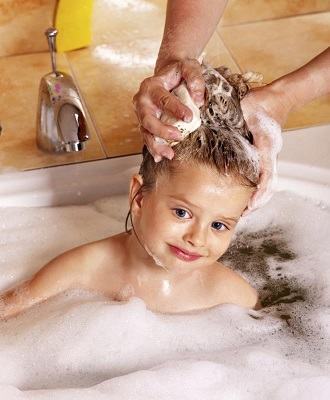 Dead skin cells, toe nails, finger nails and hair contain keratin that dermatophytes live on. This infection is known as tinea capitis when it reaches the scalp. It is circular in shape and can extend with time. This rash is greyish or red in color and results in scaly skin. This form of infection is highly contagious and mostly occurs in young children, especially young girls, when they use borrowed hair clips or hair brushes. This infection can be passed on from one child to another. When the infection becomes severe it can reach the subcutaneous region and results in a condition called kerion. Now this form of infection makes the scalp spongy. It appears as inflamed skin, accompanied by a cavity filled with pus around that area and can result in permanent hair loss or scars when the pus bursts. There are chances of small pimples forming around the infected area. When the kerion bursts, the pus gets drained and can leave behind scars.
Dermatophytes is found on healthy skin too, and can cause infections when it gains access to the areas where it can thrive. When it comes to the nails and the nail beds, this form of fungi can access the areas through the smallest microscopic tear in the cuticle, under the nails and in the skin around the nails.
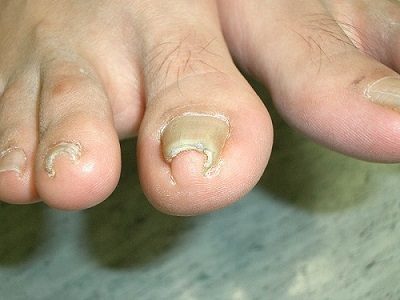 It is also known by the name tinea unguium or onychomycosis. It is estimated that around 10% of the population is affected by this form of infection. In its milder form, it can lead to the discoloration of the nails. In more severe cases, it can lead to nail deformity as well as to the crumbling of the nails.
In the typical case of a ringworm infection, the infection causes a rash on the skin along with a scaly appearance. The small tears in the skin provide easy access for this form of fungi to enter the skin’s layers and cause infections. Infections caused by bacteria of the secondary type are a common complication that is found in ringworm infections. Bacteria like streptococcus or staphylococcus can be found on healthy skin and they then enter the skin through minor tears.
They can also enter when the chemical barrier on the skin, which repels the pathogens, gets compromised. Cellulitis is the name of the infection that is caused by this particular form of bacteria. The common symptoms that accompany this form of infection are pain, fever, fatigue and tenderness. When it is a severe case, the infections can spiral into bone infection, gangrene and meningitis.
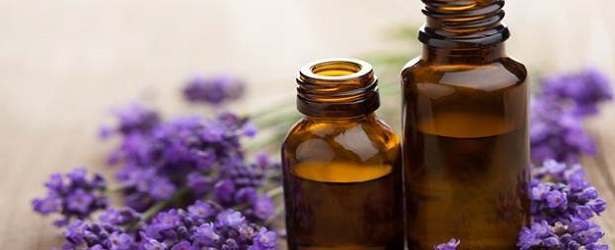
 Lemon Grass Oil– This oil was used in ancient times in countries like China and India. It is used to treat various medical conditions. Since it has anti-bacterial and anti-septic properties, it is a good oil to try. In order to treat ringworm infections, there are three ways to use this oil. One can apply a paste made from the plant on the affected area. It can also be used as an oil, and it is advisable to mix it with oils like almond or jojoba oil. It can also be consumed in the form of tea. If you choose to use this extract as an oil or paste, you should rub it in two to three times a day until it completely cures the infection.
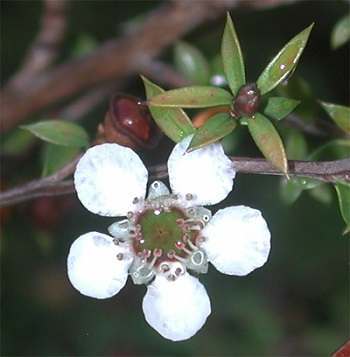
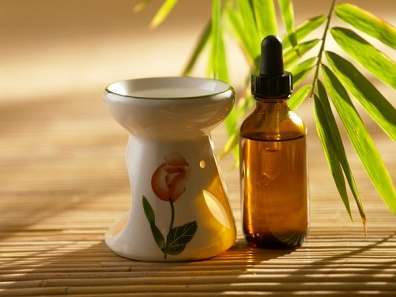 Tea Tree Oil – This form of oil is widely used to treat a lot of infections like a sore throat, colds, nail fungal infection, athlete’s foot, vaginal infections and ringworm. This oil works for so many conditions because it is anti-viral, anti-fungal, anti-septic and anti-microbial. This oil can only be used topically and should not be taken orally. To treat ringworm infections, use this oil two to three times a day and until the infection is completely treated.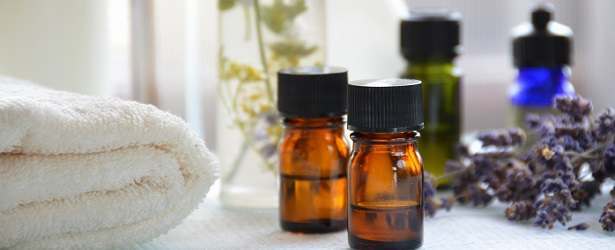
 This oil is used to treat dandruff, as it maintains the oil and moisture balance of the scalp. It is the lack of both these things that result in dandruff. You can blend it with another oil before using it on your head and it can be put in bath water. One can blend the oil with essential oils of Clary Sage, Clove, Geranium, Lavandin, Lavender, Marjoram, Nutmeg, Oakmoss, Pine, Rosemary and
  Histamine is a condition that cause a really bad spell of coughing and this oil is believed to treat this condition, as it reduces the histamine production in the body. This oil is also used to treat various allergies, since allergies are a reaction to certain foreign elements of the body. This oil is helpful in reducing the appearance of scars by promoting the growth of new cells and it protects existing wounds from further infections. Since it promotes the growth of new cells, it is even used to heal the wounds and is given to patients who suffer from serious injuries, like after a major surgery or accident.
 The oil is an antibacterial, antidepressant, antiseptic, antispasmodic, anti-inflammatory substance. It is also used as a deodorant, insect repellent, stimulant, tonic and vermifuge. It is also used to flavor foods and there are many medical benefits that are listed here.
 This oil is good for those suffering from depression and provides relief from depression,
 Below are three of these vitamins that are known for their anti-fungal properties and studies are still being done to understand how they
  Vitamin D – According to a review published in October 2011 in an issue of the Dermato Endocrinology Journal, this vitamin is believed to have antimicrobial qualities and can fight against various pathogens, including fungal infections. The authors of the article have written that Vitamin D can reduce the risk of infection. However, it is not clear if this will be helpful if one already has a fungal infection. There have been studies which claim that when Vitamin D is taken in higher doses, it reduces fungal infections.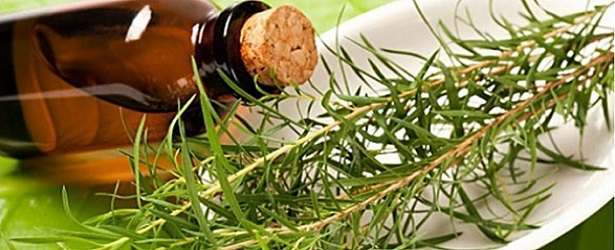
 Some studies have shown that there has been considerable success in treating fungal infections on the feet. Fungal infections that respond positively to tea tree oil include toenail fungus and athlete’s foot. By applying
 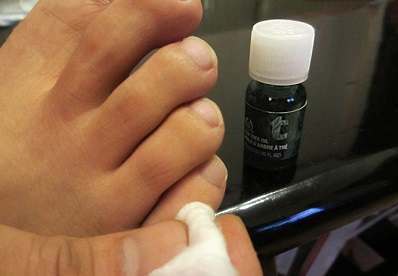 Make sure that you apply the tea tree oil at least twice a day. You have to be consistent with the treatment if you want it to work properly. This is why you must apply it at least twice a day every day. You will see results quickly, but for the tea tree oil to have its full effect, you must use it regularly for at least six months. Otherwise, you are taking the risk of the infection returning. Before you use tea tree oil, make sure that you are not allergic to it by testing some of it on your skin. Should you find that it irritates your skin, consider diluting it with some water or another oil. If you are not bothered by the oil, then you can apply it all over the infected area. If you are applying the tea tree oil to the nails, make sure you cover the whole nail. After you apply the oil, let everything dry and avoid putting on shoes for a while.
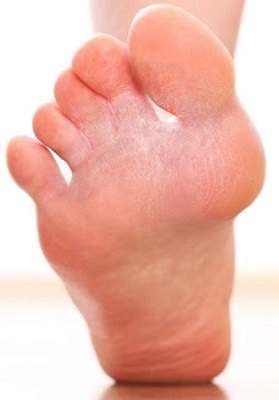 Over the years, many studies have been done to better understand athlete’s foot. Two studies, in particular, were particularly useful in explaining this fungal infection. Some scientists discovered that there are actually genetic reasons for athlete’s foot. These researchers from the University College of London as well as Radboud University published results stating that two different genetic mutations can be at fault for stubborn cases of athlete’s foot. When someone has one of these genetic mutations, their immune system is not able to effectively fight off the disease and can even let further infections develop in the body.
 Avoiding gyms, spas and pools is ridiculous but there is an easier answer. Do not walk around barefoot on these surfaces. Always bring a pair of sandals or water shoes when you are in these areas, to protect your feet from infected surfaces. You should also avoid sharing your towel with other people. If your shoes and socks get wet, you should let them dry and change them. Shoes and socks are warm, dark and wet and this is the kind of environment that athlete’s foot fungus loves to grow in.
 The common belief is that you can avoid being infected by athlete’s foot by steering clear of the known causes of it. In reality, when you catch athlete’s foot it is usually your own fault. Athlete’s foot isn’t the rampantly contagious fungal infection that doctors and the media say it is. In most cases, someone who is infected and someone who is not infected can use the same surfaces and the non-infected person will never know the difference. For most people, athlete’s foot has little to do with walking barefoot at pools or locker room areas. In reality, athlete’s foot is actually caused by the following issues:
 The biggest cause of athlete’s foot is the failure to prevent moisture from building up in their shoes and socks and continuing to wear them even when they are wet. Even when your shoes do not feel wet, if you wore them for a long time or if you were exercising while wearing them, there is probably moisture in them. A second cause of athlete’s foot is when your immune system isn’t strong enough to fight it off. To prevent your immune system from weakening, you should try to lead a generally healthy life.
 People who suffer from foot issues also have an increased chance in having other health problems as well. 65% of people who have weight issues experience regular foot pain. 59% of people who have back problems also have foot pain. 64% of people who suffer from arthritis also have issues with their feet. 52% of people who have discomfort in their knees feel similar discomfort in their feet. Finally, 32% of people who have problems with their circulation also experience regular foot pain.
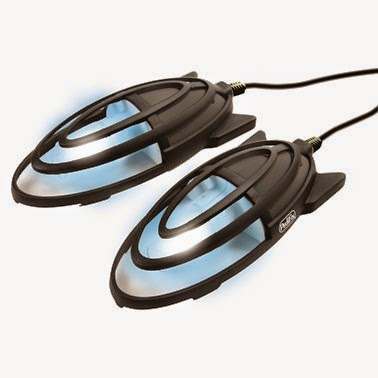
 One company has even created a new product that uses an ultraviolet light to eliminate disease causing microbes without damaging your shoes. It is specifically designed to help with fungal infections and smelly feet. The device works as a sanitizer. If you put it in your shoes, it is said to kill almost 99.9% of the disease-causing bacteria, viruses and fungus that live inside your shoes. This interesting gadget was designed with people who have foot problems in mind and is the most ideal option for those who suffer regularly from fungal infections, like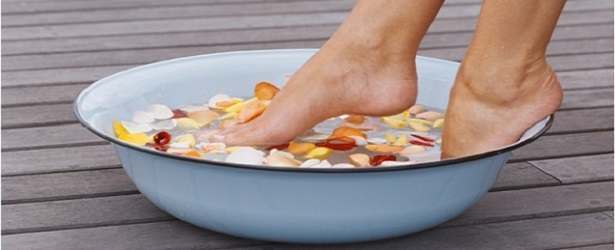
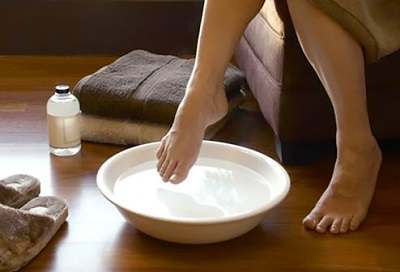 One of the most popular
 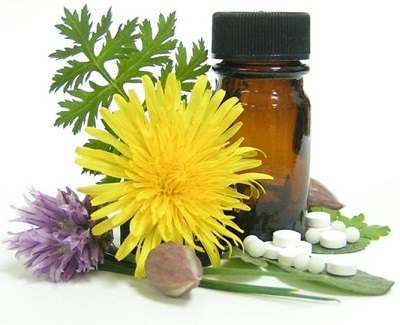 You might consider applying a small amount of hydrogen peroxide to the affected area after you have had a shower or a bath. You might also choose to follow this application with some