
 Subscribe Now
Itchy Toes? What Can it Mean?
Have you ever been laying in bed and your feet started itching? Is there a worse feeling than trying to nod off to sleep but the areas between your toes are itching and burning? If you regularly suffer from itchy and dry skin, this could be sign of a fungal infection also known as athlete’s foot. If you don’t treat the infection right away, it will spread to other parts of your body, including your toenails. Once this happens, the infection just gets tougher to treat.
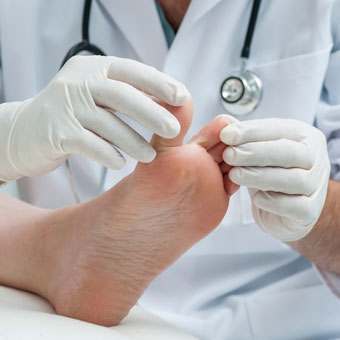 Description
A careful examination of you toes might clue you in on what is causing the itchiness. Athlete’s foot (also know as Tinea Pedis) and ringworm are fungal infections that will make the skin flaky and red.
Scabies will look like a bumpy red rash. Scabies is actually mites that have taken up residence under your skin.
No matter what you see, you’ll want to call your physician for a proper diagnosis and to ensure you get the right treatment.
Causes
Why do these nasty diseases strike your feet? The answer is that our feet are a great place for fungi to live. There is food and an environment that is perfect for it to grow and thrive. The spaces between our toes are sometimes damp and warm.
Fungi live off nutrients like keratin, that are found in our skin cells. While you will most often find ringworm or athlete’s foot between your toes, dermatophytes, or scabies, can also cause skin to become itchy and dry.
Transmission
As mentioned above, fungi love areas that are warm and damp. They are especially drawn to pools or communal shower floors. Infections are passed among people indirectly when they walk barefoot in locker rooms or public showers. Sharing a towel with someone else is also a bad idea, as it is another way that fungus spreads.
Scabies is generally found in locations where there are lots of people close together, like classrooms or day care centers. Those nasty mites can jump from person to person through towels, clothing, or sheets.
 Treatment
Often, fungal infections are easy to treat with lotions and creams you can buy over-the-counter. Since athlete’s foot can make your skin crack, it is possible for the infection to enter your bloodstream. At this point, you have a bacterial infection to deal with. To treat this, you will need to see your doctor to get a prescription for antibiotics.
This is why it is so important to start treatment right away. Not only can you spread your infection to other people, athlete’s foot and other infections spread easily to other parts of your own body, like nearby toenails and other toes.
With scabies, even after the infection has been treated, you may feel discomfort or itching for weeks after.
Prevention
Luckily, there are many ways to prevent scabies and athlete’s foot. The easiest thing to do is to make sure that you dry your feet completely after getting them wet. It seems obvious, but make sure that you change your socks every day and buy socks made out of wool or cotton, because these are more breathable materials and will keep your feet cool and dry.
Regarding scabies, make sure you do not share bedding, towels, or brushes with people who are infected.

 There are possible side effects with Itraconazole. These include a skin rash, headaches, stomach pain, itching, dizziness, constipation, or diarrhea. The effects will normally go away in less than five days, but you need to contact your doctor immediately if they go on for longer or become severe. If you have any of these more dangerous side effects, you need to contact your doctor right away. These include dark colored urine, swelling, extreme weight gain in a short period of time, a change in stool color, fever,
  If you have any of these serious side effects, you need to call your doctor right away. These dangerous signs include poor appetite, bruising or bleeding, difficulty swallowing or breathing, a yellow tint in the eyes or skin, a rash, or seizures. Again, because of negative drug interactions, you need to inform your doctor of all the medications you take. The ones that are particularly bad to take with fluconazole include zidovudine, terfenadine, stall, rifampin, valproic acid, and warfarin. If you are on any of these, your doctor may change the dose of fluconazole accordingly.
 Treatment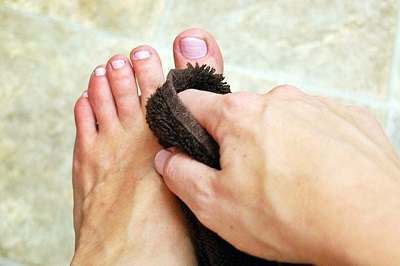
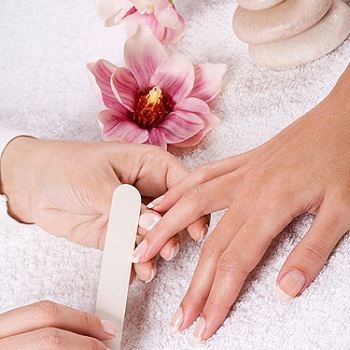 How can I get it at a salon?
  Blisters
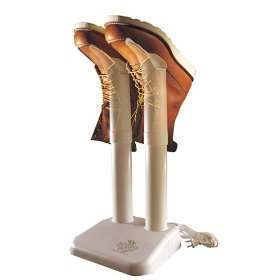 Do not walk around with damp feet. Many people end up with damp feet because they do not switch up their footwear often enough. So, the simplest way to prevent athlete’s foot? Change your shoes every other day. Also, let your shoes air out for about 24 hours before you wear them again. The shoes will dry faster if you store them in a dry, airy place.
 Try not to do activities that will keep your feet damp for a long time. If possible, avoid jobs where your feet will be wet for long periods of time. If you are stuck in a job like this, consider purchasing special socks or other items to minimize dampness. When you get a break, dry your feet as soon as possible. Then, in your free time, expose your feet to fresh air and warm them in the sun.